Atherosclerosis is a progressive, inflammatory cardiovascular disease characterized by the accumulation of lipids, inflammatory cells, smooth muscle cells, and fibrous tissue within the intima (innermost layer) of medium and large arteries. This buildup forms plaques (atheromas) that can calcify over time, reduce arterial elasticity, narrow the vessel lumen, and ultimately lead to ischemia, thrombosis, or complete vessel occlusion. It is a leading underlying cause of coronary artery disease, peripheral artery disease, stroke, and other cardiovascular events.
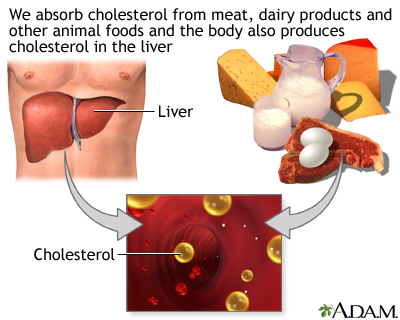
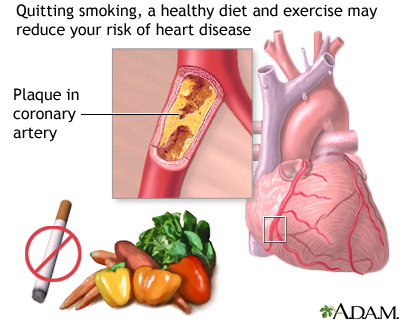
Atherosclerosis is the gradual buildup of plaque in the walls of your arteries. Arteries are blood vessels that carry oxygen-rich blood to organs and tissues throughout your body. Plaque (atheroma) is a sticky substance made of fat, cholesterol, calcium and other substances.
As plaque builds up, your artery wall grows thicker and harder. This “hardening of the arteries” is usually a silent process in the early stages. You may not notice symptoms for a long time. But eventually, as the plaque grows, the opening (lumen) of your artery narrows, leaving less room for blood to flow. This means less blood can reach your organs and tissues. Plus, the constant force of blood flow can lead to plaque erosion or rupture, causing a blood clot to form.
A narrowed artery is like a highway reduced to one lane. But a blood clot is like a barricade in the middle of the road. It blocks blood flow to certain organs or tissues the artery normally feeds. The effects on your body depend on where the blood clot forms. For example, blockages in a coronary artery deprive your heart of oxygen-rich blood, leading to a heart attack.
How common is atherosclerosis?
Atherosclerosis is very common. The complications of plaque buildup (including heart attacks and strokes) are the leading cause of death worldwide.
In America, about half of people age 45 to 84 have atherosclerosis but aren’t aware of it, according to the U.S. National Institutes of Health.
Symptoms and Causes
Back to video
Learn more about the signs of atherosclerosis.
What are the symptoms?
Atherosclerosis symptoms often don’t start until an artery is very narrow or blocked. Many people don’t know they have plaque buildup until they have a medical emergency like a heart attack or stroke.
You may notice symptoms of atherosclerosis if your artery is more than 70% blocked. You can have symptoms in different parts of your body, depending on the location of the blockage. Affected locations may include:
Heart
Coronary artery disease (CAD, which can lead to a heart attack) happens in the arteries that supply blood to your heart.
You may experience:
Shortness of breath (dyspnea) during light physical activity.
These factors can damage your artery’s inner lining (endothelium). This causes atherosclerosis to begin. The damage usually occurs slowly and over time.
Atherosclerosis codes are primarily found in categories I25 (Chronic ischemic heart disease) and I70 (Atherosclerosis). This is a large family — below are the most clinically essential codes.
General / Unspecified
Code
Description
I70.90
Unspecified atherosclerosis
I70.91
Generalized atherosclerosis
I70.8
Atherosclerosis of other arteries
By Specific Artery
Code
Description
I70.0
Atherosclerosis of aorta
I70.1
Atherosclerosis of renal artery
I67.2
Cerebral atherosclerosis
Coronary Atherosclerosis (Category I25)
Code
Description
I25.10
Atherosclerotic heart disease of native coronary artery without angina pectoris
I25.110
…with unstable angina pectoris
I25.111
…with angina pectoris with documented spasm
I25.118
…with other forms of angina pectoris
I25.119
…with unspecified angina pectoris
I25.83
Coronary atherosclerosis due to lipid rich plaque
I25.84
Coronary atherosclerosis due to calcified coronary lesion
I25.810
Atherosclerosis of CABG without angina pectoris
I25.700
Atherosclerosis of CABG (unspecified) with unstable angina pectoris
I25.708
Atherosclerosis of CABG (unspecified) with other forms of angina pectoris
I25.709
Atherosclerosis of CABG (unspecified) with unspecified angina pectoris
Unspecified atherosclerosis of native arteries, right leg
I70.202
Unspecified atherosclerosis of native arteries, left leg
I70.203
Unspecified atherosclerosis of native arteries, bilateral legs
I70.261
Atherosclerosis of native arteries with gangrene, right leg
I70.262
Atherosclerosis of native arteries with gangrene, left leg
I70.291
Other atherosclerosis of native arteries, right leg
I70.292
Other atherosclerosis of native arteries, left leg
I70.293
Other atherosclerosis of native arteries, bilateral legs
Atherosclerosis with Ulceration
Code
Description
I70.231
Atherosclerosis of native arteries of right leg with ulceration of thigh
I70.232
Atherosclerosis of native arteries of right leg with ulceration of calf
I70.233
Atherosclerosis of native arteries of right leg with ulceration of ankle
I70.25
Atherosclerosis of native arteries of other extremities with ulceration
Bypass Graft Atherosclerosis
Code
Description
I70.601
Unspecified atherosclerosis of nonbiological bypass graft(s), right leg
I70.661
Atherosclerosis of nonbiological bypass graft(s) with gangrene, right leg
I70.701
Unspecified atherosclerosis of other type of bypass graft(s), right leg
I70.761
Atherosclerosis of other type of bypass graft(s) with gangrene, right leg
🔧 COMMON CPT CODES (Related Procedures)
CPT Code
Description
93458
Left heart catheterization with coronary angiography
93454
Coronary angiography only
92920
Percutaneous coronary intervention (PCI), single vessel
92928
PCI with stent placement, single vessel
92933
PCI with atherectomy, single vessel
33533
CABG, arterial graft, single
35301
Thromboendarterectomy, carotid artery
35471
Transluminal balloon angioplasty, renal or visceral artery
93925
Duplex scan of lower extremity arteries (bilateral)
93926
Duplex scan of lower extremity arteries (unilateral or limited)
75710
Angiography, extremity, unilateral
75716
Angiography, extremity, bilateral
⚠️ Coding Note: For inpatient coding, atherosclerosis of the coronary arteries should be coded with the highest level of specificity — always capture whether it involves native vessels vs. bypass grafts, the presence/type of angina, and complicating factors like lipid-rich plaque (I25.83) or calcified lesion (I25.84). The I70 category for peripheral atherosclerosis requires laterality, vessel type, and presence of ulceration/gangrene for full specificity.
A Word from MedlinePlus
Atherosclerosis
Atherosclerosis, sometimes called “hardening of the arteries,” occurs when fat, cholesterol, and other substances build up in the walls of arteries. These deposits are called plaques. Over time, these plaques can narrow or completely block the arteries and cause problems throughout the body.
Atherosclerosis is a common disorder.
Causes
Atherosclerosis often occurs with aging. As you grow older, plaque buildup narrows your arteries and makes them stiffer. These changes make it harder for blood to flow through them.
Clots may form in these narrowed arteries and block blood flow. Pieces of plaque can also break off and move to smaller blood vessels, blocking them.
These blockages starve tissues of blood and oxygen. This can result in damage or tissue death. It is a common cause of heart attack and stroke.
Atherosclerosis does not cause symptoms until blood flow to part of the body becomes slowed or blocked.
If the arteries supplying the heart become narrow, blood flow can slow down or stop. This can cause chest pain (stable angina or unstable angina), shortness of breath, and other symptoms.
Narrowed or blocked arteries may also cause problems in the intestines, kidneys, legs, and brain.
Exams and Tests
A health care provider will perform a physical exam and listen to the heart and lungs with a stethoscope. Atherosclerosis can create a whooshing or blowing sound (“bruit”) over an artery.
Most people age 18 or older should have their blood pressure checked every year. More frequent measurement may be needed for those with a history of high blood pressure readings or those with risk factors for high blood pressure. Ask your provider what schedule is best for you.
Cholesterol testing is recommended in all adults. The major national guidelines differ on the suggested age to start testing.
Screening should begin at age 20 for both men and women.
Repeat testing is not needed for five years for most adults with normal cholesterol levels.
Repeat testing may be needed if lifestyle changes occur, such as large increase in weight or a change in diet.
More frequent testing is needed for adults with a history of high cholesterol, diabetes, kidney problems, heart disease, stroke, and other conditions
A number of imaging tests may be used to see how well blood moves through your arteries. Check with your provider to see if any of these are recommended for you.
Arteriograms or angiography that use x-rays and contrast material (sometimes called “dye”) to see the path of blood flow inside the arteries
Treatment
Lifestyle changes will reduce your risk for atherosclerosis. Things you can do include:
Quit smoking: This is the single most important change you can make to reduce your risk for heart disease and stroke.
Avoid fatty foods: Eat well-balanced meals that are low in fat and cholesterol. Include several daily servings of fruits and vegetables. Adding fish to your diet at least twice a week may be helpful. However, do not eat fried fish.
Limit how much alcohol you drink: Recommended limits are one drink a day for women, two a day for men.
Get regular physical activity: Exercise with moderate intensity (such as brisk walking) 5 days a week for 30 minutes a day if you are at a healthy weight. For weight loss, exercise for 60 to 90 minutes a day. Talk to your provider before starting a new exercise plan, especially if you have been diagnosed with heart disease or you have ever had a heart attack.
If your blood pressure is high, it is important for you to lower it and keep it under control.
The goal of treatment is to reduce your blood pressure so that you have a lower risk of health problems caused by high blood pressure. You and your provider should set a blood pressure goal for you.
Do not stop or change high blood pressure medicines without talking to your provider.
Your provider may want you to take medicine for abnormal cholesterol levels or for high blood pressure if lifestyle changes do not get you to your goals for these. This will depend on:
Your age
The medicines you take
Your risk of side effects from possible medicines
Whether you have heart disease or other blood flow problems
Whether you smoke or are overweight
Whether you have diabetes or other heart disease risk factors
Whether you have any other medical problems, such as kidney disease
Your provider may suggest taking aspirin or another medicine to help prevent blood clots from forming in your arteries. These medicines are called antiplatelet drugs. DO NOT take aspirin without first talking to your provider.
Losing weight if you are overweight and reducing blood sugar if you have diabetes or pre-diabetes can help reduce the risk of developing atherosclerosis.
Outlook (Prognosis)
Atherosclerosis cannot be reversed once it has occurred. However, lifestyle changes and treating high cholesterol levels can prevent or slow the process from becoming worse. This can help reduce the chances of having a heart attack and stroke as a result of atherosclerosis.
Possible Complications
In some cases, the plaque is part of a process that causes a weakening of the wall of an artery. This can lead to a bulge in an artery called an aneurysm. Aneurysms can break open (rupture). This causes bleeding that can be life threatening.
Alternative Names
Hardening of the arteries; Arteriosclerosis; Plaque buildup - arteries; Hyperlipidemia - atherosclerosis; Cholesterol - atherosclerosis
References
Arnett DK, Blumenthal RS, Albert MA, Buroker AB, et al. 2019 ACC/AHA Guideline on the primary prevention of cardiovascular disease: executive summary: a report of the American College of Cardiology/American Heart Association Task Force on Clinical Practice Guidelines. J Am Coll Cardiol. 2019;74(10):1376-1414. PMID: 30894319 pubmed.ncbi.nlm.nih.gov/30894319/.
Libby P. The vascular biology of atherosclerosis. In: Bonow RO, Mann DL, Tomaselli GF, et al, eds. Braunwald’s Heart Disease: A Textbook of Cardiovascular Medicine. 13th ed. Philadelphia, PA: Elsevier; 2026: chap 22.
Marks AR. Cardiac and circulatory function. In: Goldman L, Cooney KA, eds. Goldman-Cecil Medicine. 27th ed. Philadelphia, PA: Elsevier; 2024:chap 41.
Tokgozoglu L, Libby P. Lipoprotein disorders and cardiovascular disease. In: Bonow RO, Mann DL, Tomaselli GF, et al, eds. Braunwald’s Heart Disease: A Textbook of Cardiovascular Medicine. 13th ed. Philadelphia, PA: Elsevier; 2026:chap 25.
US Preventive Services Task Force; Mangione CM, Barry MJ, et al. Statin use for the primary prevention of cardiovascular disease in adults: US Preventive Services Task Force recommendation statement. JAMA. 2022;328(8):746-753. PMID: 35997723 pubmed.ncbi.nlm.nih.gov/35997723/.
Writing Committee Members; Jones DW, Ferdinand KC, et al. 2025 AHA/ACC/AANP/AAPA/ABC/ACCP/ACPM/AGS/AMA/ASPC/NMA/PCNA/SGIM Guideline for the prevention, detection, evaluation and management of high blood pressure in adults: A report of the American College of Cardiology/American Heart Association Joint Committee on Clinical Practice Guidelines. Hypertension. 2025;82(10):e212-e316. PMID: 40811516 pubmed.ncbi.nlm.nih.gov/40811516/.
Review Date 1/27/2026
Updated by: Thomas S. Metkus MD, PhD, Associate Professor of Medicine and Surgery, Johns Hopkins University School of Medicine, Baltimore, MD. Also reviewed by David C. Dugdale, MD, Medical Director, Brenda Conaway, Editorial Director, and the A.D.A.M. Editorial team.
 Crystal's Coder Hub